Showing posts with label tubeless tires. Show all posts
Best tubeless road tires  & WHY you should switch to them?

Best tubeless road tires & WHY you should switch to them?

Hopefully we will cover anything you need to know on tubeless tires in this article. We found a variety of common questions that cyclists kept posing during our study and we realized there were no clear concrete answers for them.

Best tubeless road tires  & WHY you should switch to them?


Therefore in this article you will find full in-depth answers to these specific questions and finally we tested the best tubeless road tires.

Have a swipe through the contents table to jump to a question to which you want the answer.


Read Article Here
What is the BEST tubeless tire?

What is the BEST tubeless tire?

Continental Grand Prix 5000 – Best Tubeless Tires


In our honest opinion, the high quality Pik 5000 is the best tire. Continental produced the first tire in 1871.

It is reasonable to say that German brands with little experience in the field know a few things when it comes to tire production.

It is no coincidence that they are one of the most popular brands in Pro Proto.

His predecessor (GP 4000) debuted 14 years ago and is arguably the best wheelbase in the world.

Now with the GP 5000, they are doing even better when the tire seems better.

The GP 5000 layout has a more pronounced pattern on new tires and splits to the continent, which is now more laser-like than the engine. This is said to improve adhesion.

Thick

The new GP 5000 tires have a 17% lower rolling resistance, less than 4,000. This is thanks to the redesigned Black Curry Component and the 180p size. IT IT Phil. Large, 2-inch shells.

The tire is more cushioned and more comfortable, and also has a curb and rollback function, and the new Continental tire design opens the ear for comfort.

As a result, a so-called "active comfort expert" was incorporated. It is located below the Voden separator and apparently does not affect the rolling resistance, reducing noise and vibration.

Another great feature of these tires is that they are worn without welding.

The GP500 is an all-season pass. A special edition that ticks all the boxes and still excels in punch, grip, and rolling.

Overall, these are the best tubeless tires for many reasons, with a number of advantages and disadvantages below

Average
  • It's made of black peppers
  • Provides the best adhesion
  • This has a wrench switch

Disadvantages
Expensive compared to other tubeless tires


What is the BEST tubeless tire?

What’s the advantage of tubeless tires?

What’s the advantage of tubeless tires?

1.  Mountain Tubeless bike tires provide better traction.


What’s the advantage of tubeless tires?


With the tire without the Mountain Bike tube, you can ride easier with drag racing.

This is because the goal of the bike is to keep the wheels on the ground as much as possible. Although the suspension is mostly focused on shock absorption and tire retention, tire pressure is the second most important factor.

In a tubeless MTB system, the ability to work under reduced tire pressure means you will have more contact with the ground and the tire can attach to the object.

With lower pressures, technical climbs are also more enjoyable because tire tapping will obstruct obstacles and the effects are better absorbed and distributed.

2. Reduce weight from tires

What’s the advantage of tubeless tires?

With the tire without the Mountain Bike tube, you can ride easier with drag racing.

This is because the goal of the bike is to keep the wheels on the ground as much as possible. Although the suspension is mostly focused on shock absorption and tire retention, tire pressure is the second most important factor.

In a tubeless MTB system, the ability to work under reduced tire pressure means you will have more contact with the ground and the tire can attach to the object.

With lower pressures, technical climbs are also more enjoyable because tire tapping will obstruct obstacles and the effects are better absorbed and distributed....

3. Eliminate Pinch Flats

What’s the advantage of tubeless tires?

If you ride a bike or just ride hard enough, you will know a lot when you land a major accident and think you have made a tire coming.

The technical term is a flat ham or otherwise known as a snake bite. This happens as a result of the pipe effect being wrapped between the rim and the tire, which results in transparent openings in the two holes.

With classic tires, you may need additional tubes to solve the problem. If you are a rider, you know that these precious minutes are spent there will be the difference between completing a platform and DNA.

However, with simple installations, apartment breakdowns are more likely to occur. Excessive impact or too low tire pressure will inevitably lead to "shock" when pressure is applied around the edges and walls of the tire.

What’s the advantage of tubeless tires?


However, if the tire is not removed from the end (this really is not possible), the problem is solved simply by adding more air from the pump.

What’s the advantage of tubeless tires?

What’s the advantage of tubeless tires?

Are tubeless Tires more puncture resistant?

Are tubeless Tires more puncture resistant?

Are tubeless Tires more puncture resistant?

Are tubeless Tires more puncture resistant?

Are tubeless Tires more puncture resistant?


The big advantage of off-road tires is the low risk of breaking, making them more resistant to breaking. There are two main explanations for this.

First, because there is no inner tube, the risk of acupuncture is completely eliminated.

Another reason is the rubber stamp used to ensure that the tire stays tight and tight on the tire.

Are tubeless Tires more puncture resistant?

The firebox contains small pieces of rubber that clog holes and make a re-hit while driving.

They are specially designed to seal holes about 2 mm wide, so that for simple maneuvers, such as small pieces of glass, stone or cracks, the seal will immediately close the hole by sealing the puncture.

Are tubeless Tires more puncture resistant?

You often don't realize that you will have cracks and will not work until you have cycled and noticed a small wet patch on the tire you caught so the seal will close the hole.

Of course, tubeless tires are not 100% resistant to cracks, and welders will try to repair larger tire cuts. But of course, they are more resistant to cracks than regular tires

Are tubeless Tires more puncture resistant?


Are tubeless Tires more puncture resistant?
Are Tubeless Worth it why should you should switch to them?

Are Tubeless Worth it why should you should switch to them?

Are Tubeless Worth it why should you should switch to them?


Yes, they are short, legendary in the city around tireless tires. In the early days without piping, there was a lack of reliability in the no-pipe system.

The total weight of the seals and tires causes major problems. However, it has been over 10 years and technology is becoming more sophisticated.

Tires are lightweight (which is one of their many benefits), eliminating the need to adjust, and tubeless tires provide better performance. It's a long list of plans, but it's worth the cost, and in the future I think they'll stop using traditional tube tires because they are resistant.

It is important to remember that if you do not travel often, remember to save and add more small doses.

Basically, you just try to stay dry while keeping your bike indoors and out of hot, dry conditions.

Are Tubeless Worth it why should you should switch to them?

What Are Tubeless Tires?

What Are Tubeless Tires?

In To understand how tubeless tires work here, there is a quick update on the three major types of tires: plain clogged and tubeless.


What Are Tubeless Tires?

What Are Tubeless Tires?

• Conventional clincher • Tubular• Tubeless clincher.


Conventional clincher 

Simple clinkers most often are a type of tire. As it inflates the engine, it pushes against the wheels and grain of the tire, securing the tire to the edge.


Clincher tire

Latex is usually next to the pressure of the air, and though they fit easily when you get the flat, it will be a little heavier and the pipe is more likely to break into flat.

Tubulars

The tubes have an inertia tube completely enclosed by a tire that is sewn underneath. The tire is glued to the edges.

The benefits of the pipeline are its ride quality, light weight, and rolling resistance. The disadvantages are flat (with no easy installation) and complicated installation.

Tubeless tires

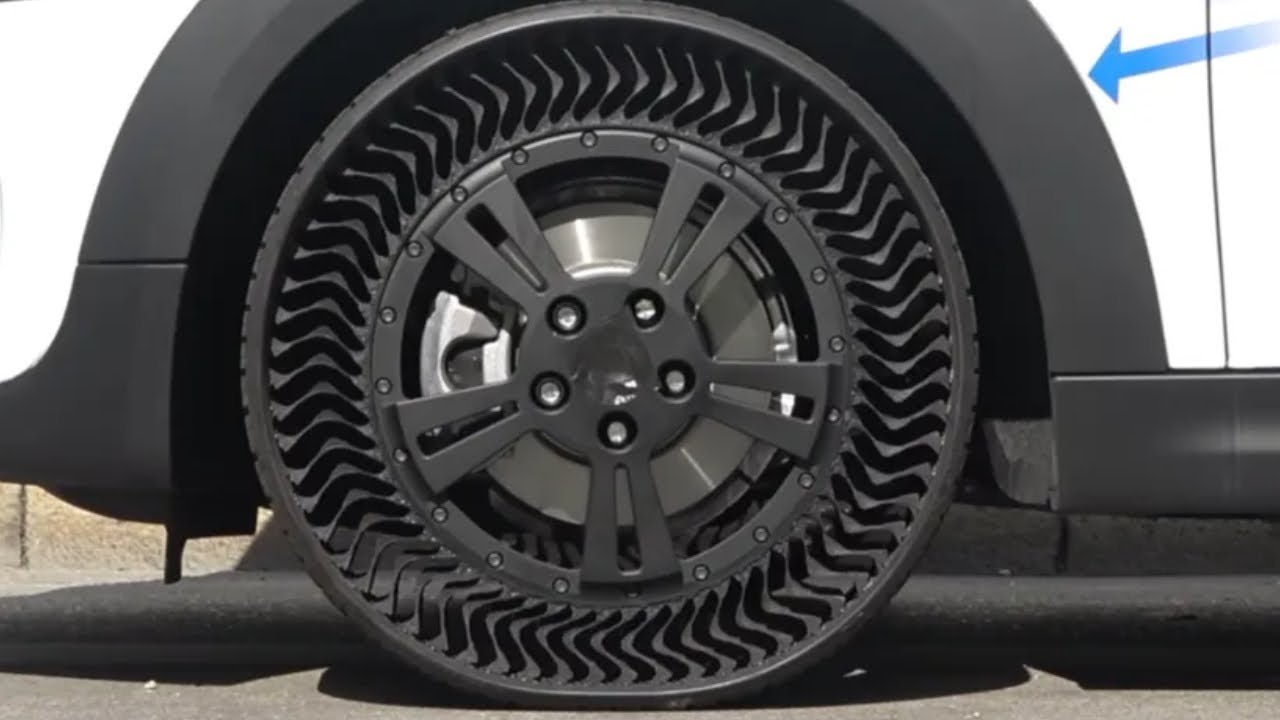
The tubeless tire has the same cross section as the regular master, but then without the inner tube. In its place, there is a lining in the tire or a liquid seal that is used to keep the rubber resistant.

The springs and grooves are different from the classic blades, locking the contour to form a pressed seal.
What are the advantages and disadvantages of tubeless tires on road bicycles?

What are the advantages and disadvantages of tubeless tires on road bicycles?

Advantages and Disadvantages of tubeless tires on road bicycles


What are the advantages and disadvantages of tubeless tires on road bicycles?

What are the advantages and disadvantages of tubeless tires on road bicycles?

What are the advantages and disadvantages of tubeless tires on road bicycles?

What are the advantages and disadvantages of tubeless tires on road bicycles?


I didn't ride the tubes, although some of my teammates rode and competed with them and I also had a white Shimano Dura-Ace bike, but I had a regular clinic on them. To make it clearer, we are talking about modern tubes for clinics, not "tubes" or "sewing", the more common and old technology of racing bikes.

Advantages without pipes (tubeless)
  1. Easier (without pipes)
  2. Low rolling resistance (again due to defective pipes)
  3. Normal tires can work also be used if required.
  4. A spare pipe can be loaded into the tire in case of minor cracks
  5. a little easier (though debatable)
  6. Less flat tires (lack of flat roofs, the most common type of flat, although wiring and debris are still possible)
  7. Lower grip and pressure (because you don't have to worry about the brake pads and less rolling resistance)

The last point is especially important for drivers: if you are a regular driver you can say 110psi in the tire, now you can run 95 or 90psi and the tire will spin faster but give more bend / bend. By providing better fit on the sides and reducing unevenness. Field. Again, in this race situation is advantageous.

Disadvantages without pipes
  1. Limited tire selection (since 2012)
  2. Limited Wheel Options (Since 2012)
  3. Slightly more expensive (for reasons mentioned above)
  4. Harder to install (better) and properly packaged for lunch (multiple leaks if you don't like)
  5. Use a tire seal (the type of glue that you press into the tire is recommended to prevent the bite from becoming dirty and dry after one year)
  6. It is prone to damage the tire when it is moved (and will not stick to a sealed seal again)

In my opinion: If you have the money and love to work with your device and especially if you are a runner, consider wireless. I believe this is the future of tire technology and I think I will ride them myself in a few years and most consumer bikes will be fitted by the end of the decade. However, if you just want a good bike that you don't have to worry about, stick to regular clips for tubes and tires.

What are the advantages and disadvantages of tubeless tires on road bicycles?


Note:
"Smell" is a technical term for regular wheels + wheels. This is called because of the two balls along the wheel circumference of the tire, sitting inside the circle and pressing (or "hook" and clamp) the supporting beams of the cage to form a bearing that holds the inner tube inside the tire. And hold them both. From slipping off the edge. The tubes have inner tubes that are sewn into the tire, which are then glued to a special ring without hooks. Lastly, the white tube is cliché-shaped, but the bead ring is designed to air (not just thickly) against the edge-to-edge clinker, but does not require a hose.


My only experience with tireless road wheels was a set of Mackie Pedestra tires. Once I mounted them on the Shimano Ultegra rack (no tubes) and advised to use a free almond gasket. I pump them up to 110 pounds per square foot. I was not impressed - my average speed was down. After about 5 runs we fell asleep. I reduced the pressure to 80 in front of 90 in the back. It's great. Not only did I ride the bike on the track and it was more comfortable, I did my best along the road, averaging 2 MPH per habit.
I have never been flat when using tires. I carry a spare tube that I can use. Fixing the plug is too large to close. When the tire wore off, I fitted a few common things I had on hand.
Since my experience is limited to one set of tires and one set of wheels, you will have to deal with the shortage with a grain of salt. As I said before, I carry spare tubes for use on the road. When I removed the tire without removing the tire, I had difficulty removing the valve from the tire. If you cannot remove the valve, you do not need a spare hose.
Another problem is cleaning the wheels when replacing the tire. I didn't have too much trouble with Caffelatek.
The third issue with high-pressure tires is spraying gas on the wheels, body work or otherwise. Not my experience, but I've heard about it.
I am riding a new bike and will probably use tireless tires on it. I'm not sure about Mackie, but I look back.
This is a great site to compare roll resistance. You can compare three tires in terms of size and weight, weight, sliding and durability.


What are the advantages and disadvantages of tubeless tires on road bicycles?


Trying them out for two seasons, I turned my white bikes to a cross where they were good for everyone and could run into the low 30s (up to 60 for a detour). They are not on the street and need not worry. Tires are too tight, such as cheap tubes. You can run it at low PSI, which is an advantage. Goes a little better, but what could be a roll into the hole. I drilled this wheel by lowering the sides to the edge of the hole where the beads or tubes would pull off. In the same way and in tight corners, I cut the edge of the side wall as if it were not holding. And for apartments - they're worse. When the seal is inserted well, other times, not so much that I jump into the tube (so you have to get a test tube). And you have to deal with a regular update stamp. Etc. It was just a pain in the neck. Why bother? Worth Clincher is still quite standard for me, and close to the quality of the tube racing seat in terms of rotation, while being flat resistant - there are others, it's just my favorite brand. Still no good pipe. No test tube - great for running!

With tubeless tires you can choose slightly lower air pressure but this is an option. If you opt for a high enough pressure, whatever you have in the wedge, the tube will get a low rolling resistance. Higher air pressure will just make the tire more efficient, whether you have a hose or a hose. At least on the surface of the road. So is the width. I mean, wider tires are more efficient. However, they are heavier and have higher air drag.
I have not had the opportunity to test the tubes and glyphs on the same and similar formulated tubes. As of September 2013, there were some off-road tires on the market. There seems to be more use of MTB that can be translated as "MTB first - next way". Everyone (I heard) who spoke without a shirt was the future. It is a bit strange that the tire and tire manufacturer and tire do not carry much weight because the performance benefits are real and noticeable. Well, this is coming.
My experience with non-tubing specialized tubes (ERTO 622-23 / 25) apart from the ropes I had when I realized how much it cost. Not having an apartment for a fixed period can hurt my doctor. In general, I think it is profitable enough to justify the price. How many times is it worthless for an apartment that you have been offered multiple times? And, in my experience, the clinic has a tendency to screw up the fences, so by reducing the age of the tire, it will reduce more than the wear marks can show. Hopefully these tires will be able to hold up to the flat until they reach the point they need to be replaced? Zero flats are a bit complicated to analyze because I have no idea how long it will take. They survived that I used any tire as big as they used to, and they made me more comfortable on rough roads with small rocks and other obstacles. You could say that the bike has gone a little better. I was able to follow in the footsteps of other tracks with confidence in my tubeless tires. These are durable tires that should spend hours on the road and may not be the most aggressive race bike for the race, but they still amaze me with durability. Punching.
I really love my tires. I weigh about 100kg with my bike, and I both enjoy better rolling efficiency and a higher degree of accident protection. Doctors with pipes with higher pressures than the maximum inflation rate often make the home easy. There are intervals when the best houses avoid air pressure and exceed the upper limits of the pipes, they are prone to piercings. At some point it will explode only with air pressure, and that value will decrease over time. The whole problem of defective pipes is something that you would solve without pipes, and in my experience it is worth mentioning the disadvantages of working with them and the difficulty of their tightness. I have to inflate them often, we will only pump a few times before we leave the house every day or other, but this may not be as much of a disadvantage as I will remember it easier when I am in debt Or more. Are they likely to blow twice as fast as a pipe? Maybe even faster? One way or another, I think it's very negative if you have the right pressure. But there is more work to be done.
I really need to try tireless tire wear and see what the competition offers in terms of competition and speed. If the experience I had today about tire endurance with some of the tires competing with high-speed gear, I would say we have a winner here!

What are the advantages and disadvantages of tubeless tires on road bicycles?


Why am I wondering if wheelchairs move more efficiently on the road, why other tires are used on earth in the spring? Same for TB? The rolling clinics are much better, and trumpet players are still very popular with professionals. Data showing the benefits of TB clinics may have arrived late in the world, and tube use may not be easily altered. It would be a mistake to see a doctor who appeared after receiving the information. Rolling resistance is not the only parameter of tire I have in mind, but it does require different parameters to compete with speed, so it doesn't have to be clusters. Something that gives the tube back some speed compared to the clinic. Riders cannot be beaten until they are injured. They need no comfort if it means slow speed. During the course. These limits can be like ventilation, faster than minor suffering, or other aspects. I have never had it, so it is strange that the tubes still come off as very race tires.
The tubes have better performance than the models, and you can be sure that they are at least as comfortable as the pipes. At least that's what they say. This is an offer that elite riders can't resist, as I believe in rational reasoning. I don't know how many cyclists use tubeless tubes today, but they should be approaching 100% quickly. This will turn to another street bike market where many people like to use the best. Of course I would say that. Will we see if the unexpected tire suddenly becomes a new type of road tire? Maybe I was thinking about the not-so-distant future. This can give the production chain capacity, in my opinion, needed. Time will tell.

What are the advantages and disadvantages of tubeless tires on road bicycles?


As the name implies, tubeless tires are made without tubes. The air in this type of tire is injected directly into the tire, including the tubes and tires. However, when tubeless tires are used on wheels, this road has some advantages and disadvantages.

 Pros:


  1. No bad punches happen.
  2. Operating at low pressure.
  3. In the event of a breakthrough, the air goes out slowly.
  4. The low weight, which in turn offers less rolling resistance.
  5. Fill with a leaking valve and immediately dry seal the hole if a sharp object makes a hole in the tire.

Cons:


  1. Hard to fix.
  2. Punch sideways.
  3. Broken tire beads are easy to break (when changing tires).


If you mean "tube" - which is the old technology still used on wheels -

The disadvantage is that if you have an apartment, you can't fix it on the road, even with a home tie, it will require an hour of good luck and experience and nothing at all about duct tape The most common cuts, cuts, and breakthroughs. The only thing is that you can't protect the apartment - plus it's expensive

If you mean no pipe - I'm not sure it applies to road wheels if they have the same problem -


Incense tires reduce weight, reduce some types of flats, and should provide a comfortable ride. However, repairing an apartment on the street is more difficult. Additionally, there are some learning curves for closing the tube.

What are the advantages and disadvantages of tubeless tires on road bicycles?

What are the advantages and disadvantages of tubeless tires on road bicycles?

What are the advantages and disadvantages of tubeless tires on road bicycles?


Tire-free tires thanks to the rubber sealing ring and the requirements for its specific productivity are large, high positioning, very little travel between the tire rims. The use of carbon-free wheels, its comfort and stability, is better than that of conventional carbon-fiber wheels.


What are the advantages and disadvantages of tubeless tires on road bicycles?